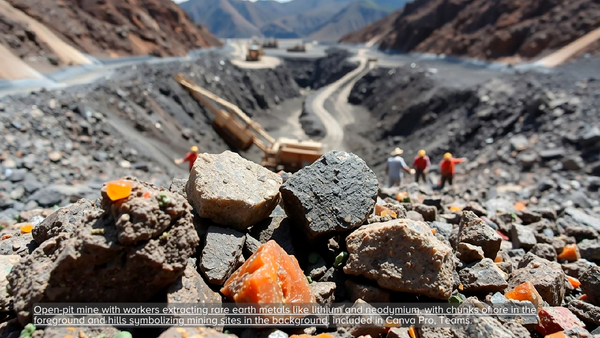
Efforts to establish a global minerals agreement at the United Nations Environment Assembly (UNEA) met opposition, though talks will continue. The proposal aims to establish a panel of experts that will identify ways to prevent further environmental harm of mining high-risk minerals and promote responsible sourcing. However, differing national priorities pose challenges to binding multinational commitments on mining supply chain human rights and environmental standards.
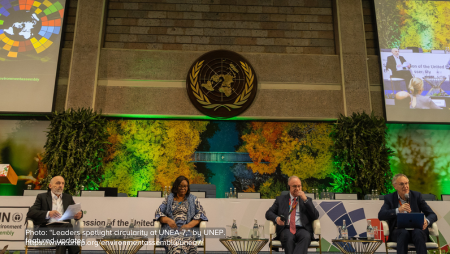
In this article published in Climate Home News, the regulation of mineral supply chains essential to electronics, energy transition technologies, and consumer products seeks to identify minerals associated with elevated risk profiles and to foster more robust environmental and human rights standards throughout the extraction, refining, and trade lifecycles. Proponents assert that a globally coordinated strategy is essential for mitigating enduring challenges associated with mineral extraction, specifically encompassing labor exploitation, environmental damage, and the financing of conflicts. The demand for minerals including lithium, cobalt, nickel, and rare earth elements is experiencing sustained expansion, attributable to their critical function in both electronics production and renewable energy technologies.
However, various governmental bodies expressed reservations regarding the breadth and ramifications of a legally binding accord. According to oppositions, forthcoming international regulations might curtail national sovereignty regarding natural resources or introduce supplementary financial burdens for producer states. Negotiators meanwhile pledged continued discussion regarding the reconciliation of resource sovereignty, developmental objectives, and the imperative for enhanced regulation of mineral supply chains. Ongoing negotiations indicate that the establishment of global mineral standards is still being deliberated, although a definitive agreement is not assured.
Read the original article written by Chloe Farand (Editor of Clean Energy Frontier) and Vivian Chime (Africa energy transition reporter) here.