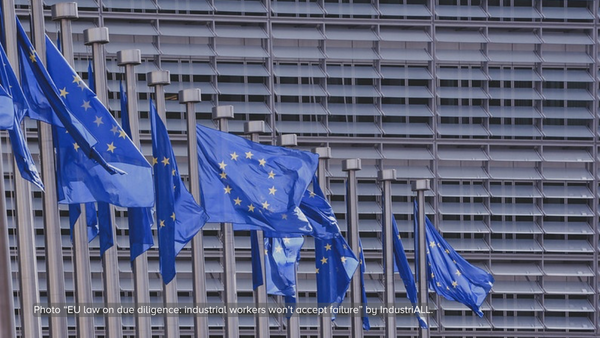
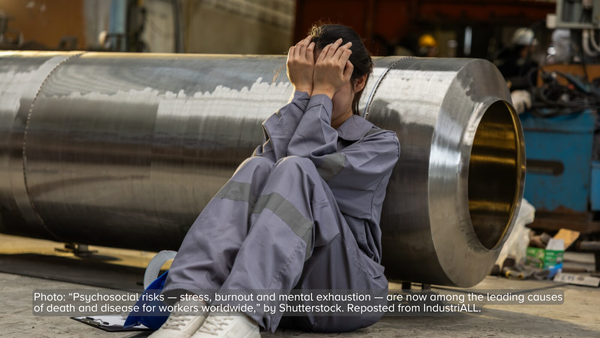
Thailand’s automotive and electronics industry is strengthening its approach to responsible business conduct through a new training program led by the International Labour Organization (ILO). Launched under the ILO’s Advancing Responsible Supply Chains and Decent Work in Asia project, the initiative aims to help companies integrate human rights due diligence (HRDD) into everyday workplace practices as international regulations on responsible supply chains continue to expand.
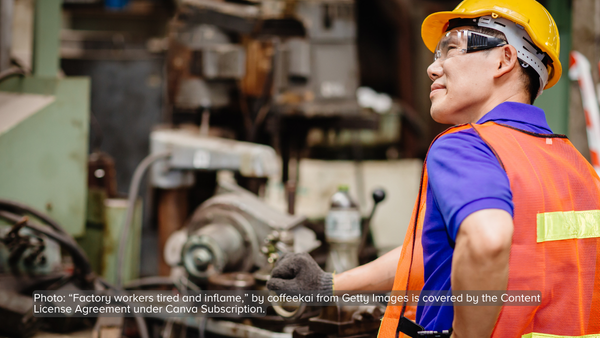
Published in the International Labour Organization, the program brings together managers, human resources professionals, trade union representatives, worker representatives, and government officials to strengthen social dialogue and cooperation inside factories. Rather than focusing solely on compliance, the training encourages employers and workers to jointly identify workplace risks, resolve labor issues, and develop practical systems for preventing human rights abuses before they occur.
The initiative also supports Thailand’s efforts to develop its first mandatory human rights due diligence legislation, the Draft Act on the Promotion of Responsible Business Conduct. Beginning in June 2026, the year-long program is expected to involve more than 50 companies across Thailand’s automotive, auto-parts, and electronics supply chains. Participants include original equipment manufacturers (OEMs) and lower-tier suppliers connected to Japanese multinational corporations, extending the program’s influence throughout regional manufacturing networks. Enterprise-specific HRDD improvement plans will be developed with continued mentoring from ILO specialists to support implementation.
Thailand’s automotive and electronics industries employ approximately 1.45 million workers and remain among the country’s largest export sectors. As global buyers increasingly require stronger labor and human rights safeguards, programs that promote meaningful worker participation and social dialogue are becoming an important part of maintaining competitiveness while improving working conditions across the electronics supply chain.
More information from International Labour Organization.