Behind every breathless headline about artificial intelligence and its miraculous chips lies a truth the industry rarely volunteers: modern electronics production still leans heavily on a stew of toxic, even carcinogenic, chemicals.

GPUs, sensors, batteries, printed circuit boards (PCBs) — the very components that fuel today’s “AI revolution” — are made possible by hundreds of hazardous substances. Heavy metals like arsenic, mercury, and nickel remain embedded in manufacturing. Organic solvents such as xylenes and methyl ethyl ketones are used to clean semiconductor wafers, creating direct exposure risks for workers. Batteries, LEDs, inks, and fluorescent lamps all depend on materials no one would want to handle without serious protective gear.
It’s not exactly the glossy image the electronics industry likes to project.
Enter Apple, which recently announced a partnership with the nonprofit ChemForward. Together, they launched a web-based screening tool that promises to help engineers identify “safer” chemical substitutes. The Global Electronics Association (GEA) hailed it as a breakthrough for worker safety. Apple is also one of nine consumer electronics companies involved in ChemForward’s so-called “safer chemistry collaborative.”
But how far does this really go?
The tool itself allows users to search chemicals by function, focusing on problematic PFAS compounds — the same “forever chemicals” that regulators worldwide are scrambling to rein in. GEA says the guidelines for the tool were shaped with input from Foxconn, Apple’s longtime manufacturing partner, and that some of the recommendations rest on the U.S. Environmental Protection Agency’s Safer Chemical Ingredients List.
That sounds promising, but skeptics might point out that relying on Foxconn — a company long criticized for harsh labor conditions — to shape safety standards is a bit like letting the fox guard the henhouse.
Kelly Scanlon, GEA’s lead sustainability strategist, argues that “with as many as 18 million workers involved in the production of electronics products globally,” chemical safety is a priority. She cites the sheer scale of the problem: up to 1,000 chemicals may go into a single product, some known to be hazardous. Substitution with safer alternatives, she says, is the most effective way to reduce risk.
Perhaps. But “safer” doesn’t always mean “safe.”
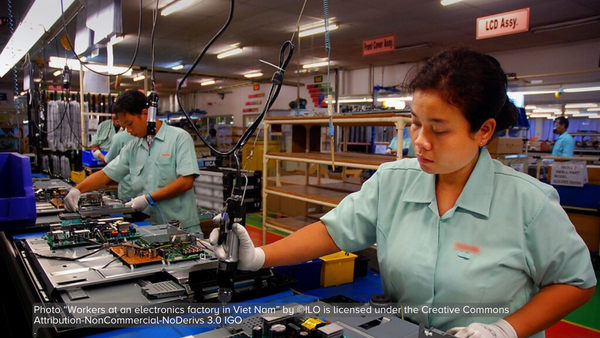
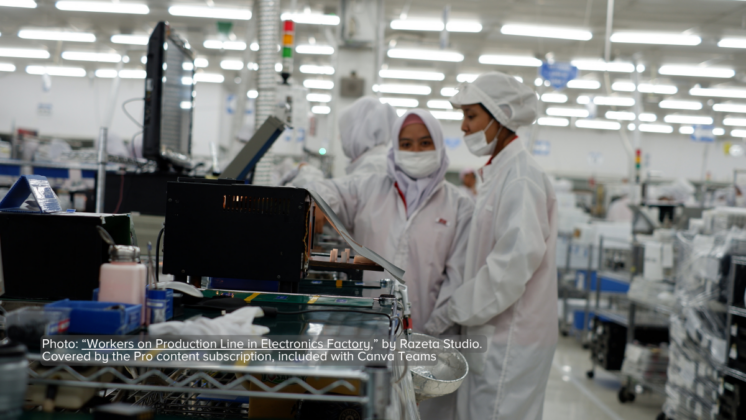
The rhetoric is polished: green cleaners, reduced compliance costs, competitive advantage. But on the factory floor, the reality looks different. Workers still spend long hours with cleaners and degreasers designed to strip contaminants from chips and parts. These substances include benzene, methanol, xylenes, and trichloroethylene — all chemicals associated with cancer, neurological disorders, and chronic illness, according to watchdog groups like the Clean Electronics Production Network.
So while the tech industry congratulates itself on its “green chemistry” initiatives, the dirty little secret remains: AI’s miraculous chips are still built on toxic foundations, and the burden of risk falls overwhelmingly on the workers who make them.
For additional information, you may check this article from Fierce Electronics website.