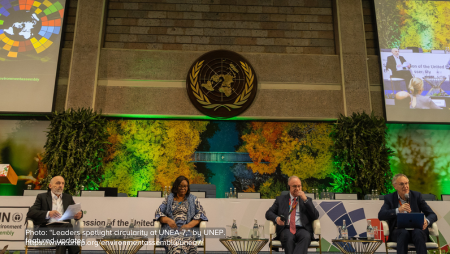
As states meet for the United Nations Environment Assembly, Colombia and several other countries have proposed a binding global treaty to address environmental and human rights risks in mineral extraction, including measures for due diligence and supply chain transparency. This initiative calls attention on human rights abuses linked to mining, as it aims to formalize protections for mining communities and strengthen accountability in the supply chains feeding electronics manufacturing.
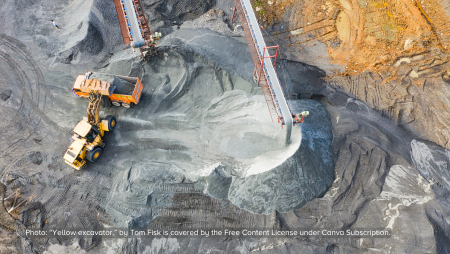
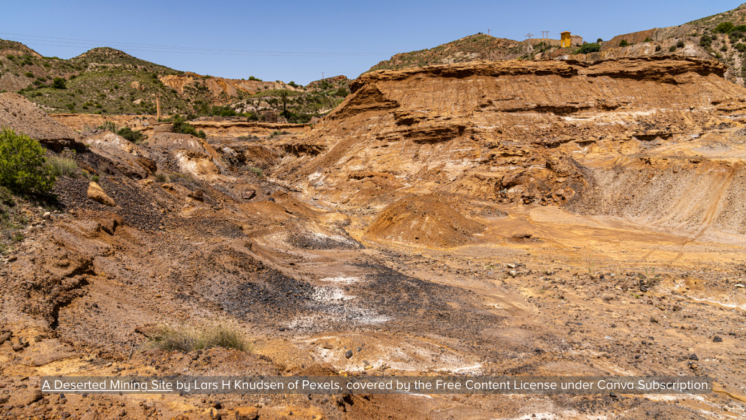
Human Rights Watch reports that communities impacted by mineral extraction are still grappling with land dispossession, environmental harm, unsafe working conditions, and violations on labor and Indigenous rights, especially in areas that provide minerals for electronics and energy technologies.
Many other governments are joining the initiative, which calls for the “environmentally sound management of minerals and metals”. This was welcomed by civil society groups, including Human Rights Watch. The proposed framework would promote stronger international cooperation to regulate mining practices, improve transparency, and require governments to prevent and remedy abuses connected to mineral production.
According to HRW, states should support the Colombian Initiative for Minerals Treaty. Read the full article by Juliane Kippenberg originally published here.