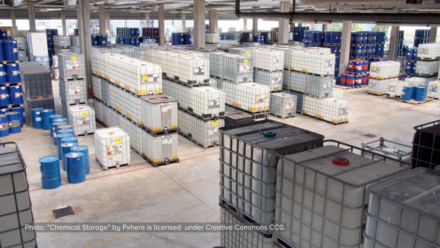
GoodElectronics’s input for the Special Rapporteur: Gender and Toxic



The GoodElectronics Network connects and empowers organisations and individuals working to improve human rights in the global electronics supply chain
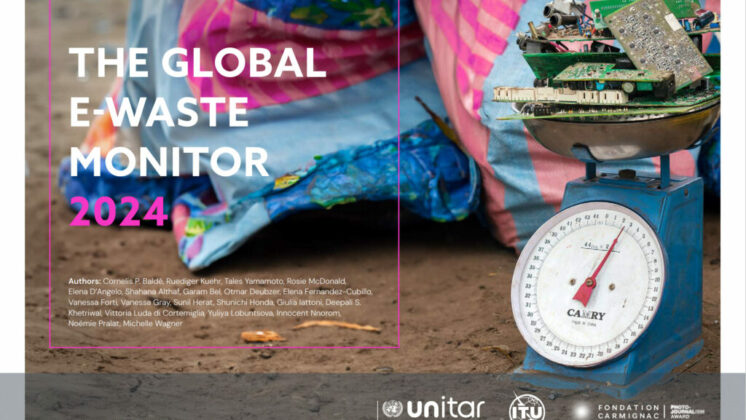
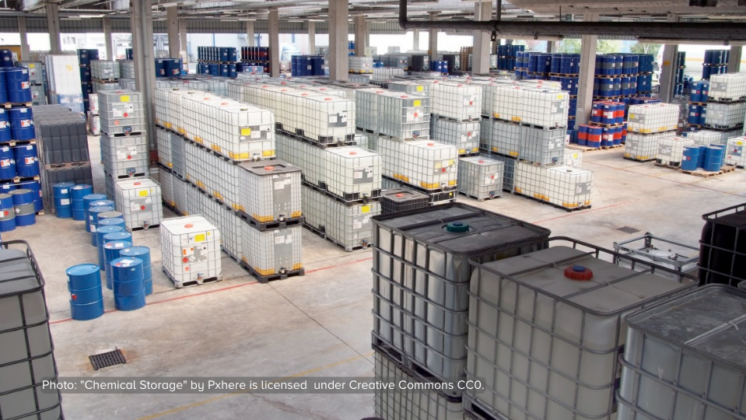
The 2024 UN Global E-waste Monitor report reveals, among its findings, that over a billion pounds of electronic waste, containing dangerous substances like mercury and lead, are illicitly shipped annually, predominantly from wealthier to poorer…
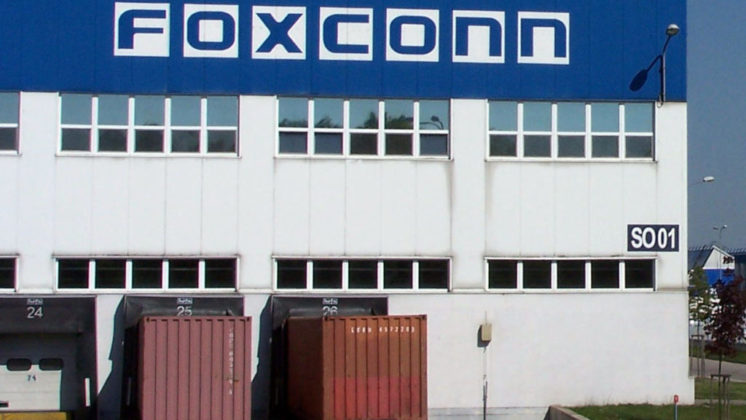
This long read by Johanna Deeksha shows how in India’s iPhone factory, women workers are isolated through restrictive housing in hostels, raising concerns about their working conditions. Managed by Foxconn in Tamil Nadu, this practice…
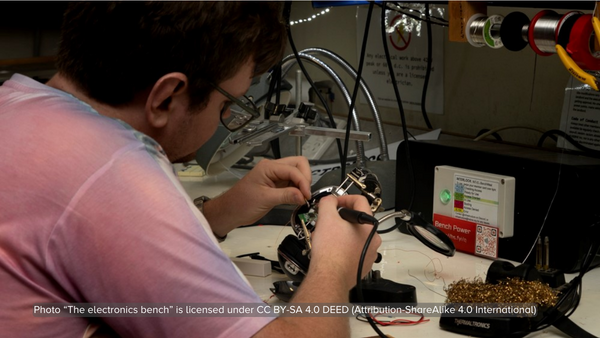
A participatory study conducted in Batam, Indonesia used biological monitoring to evaluate the extent of chemical exposure among workers in the electronics manufacturing industry. Urine samples were collected from workers both before and after their…
29 February, 2024 – On behalf of the 50 million workers they represent in 140 countries, industriAll Europe and IndustriALL Global Union denounce the unacceptable political setback as EU several Member States fail to live…
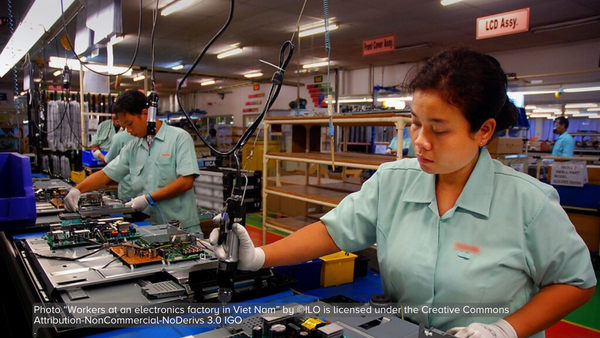
Vietnam plans to ratify the Convention No. 87 of the International Labour Organisation (ILO) concerning Freedom of Association and Protection of the Right to Organise, a move aimed at reducing trade disputes risks, according to…
The inaugural ceremony for the first integrated labour union representing four Samsung companies, took place in Seoul on Monday. In the article published in The Korea Herald, Samsung Group United Union with approximately 15,800 members,…

The Mobile Social Congress is an open space that offers a critical perspective on the current production and consumption of electronic devices and information technologies, as well as an opportunity to learn about projects and…
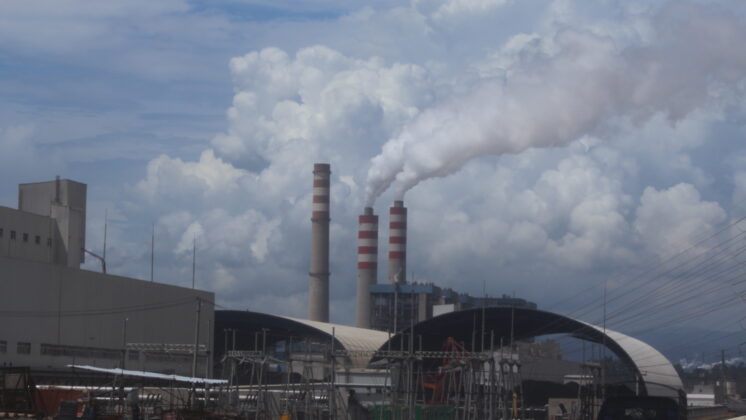
A multi-billion-dollar nickel industrial complex in North Maluku, Indonesia, and its associated nickel mining operations are violating the rights of local communities, causing deforestation, pollution, and emitting greenhouse gases, according to a report by Climate…
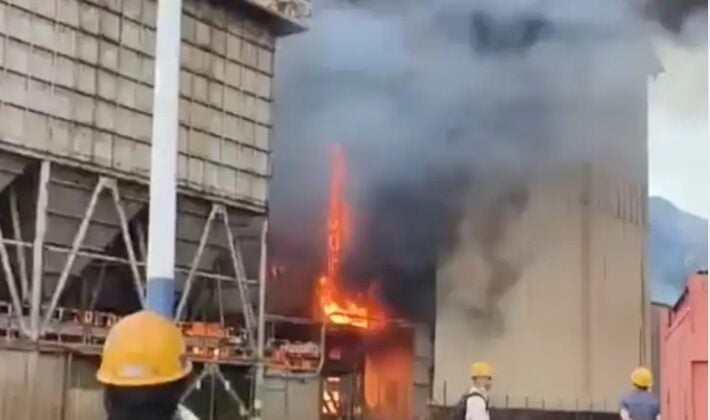
Here is a link to IndustriALL’s statement on the deadly explosion at PT Indonesia Tsingshan Stainless Steel (ITSS), a company based in the Indonesia Morowali Industrial Park (IMIP) in Central Sulawesi. The explosion, which happened…