African civil society organizations, trade unions, women’s rights groups, and policy experts are urging governments to ensure that the continent’s critical minerals wealth delivers lasting benefits for African workers and communities rather than serving only global industries.
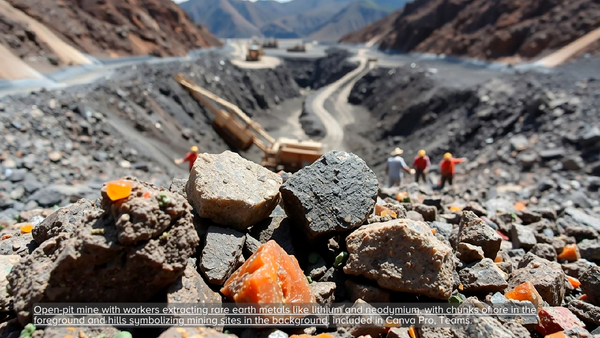
The call was made during a reflection webinar convened by the African Coalition for Sustainable Energy and Access (ACSEA) following the African Development Bank’s Ministerial Forum on Critical Minerals. Participants argued that Africa’s abundant reserves of cobalt, lithium, graphite, copper, manganese, and nickel should drive local industrialization, create decent jobs, and strengthen regional value chains instead of being exported primarily as raw materials.
Speakers stressed that mineral beneficiation should extend beyond processing plants to include fair ownership, technology transfer, quality employment, and community participation. Trade union representatives called for living wages, safe working conditions, freedom of association, collective bargaining, and the formalization of artisanal and small-scale mining. Women’s organizations also highlighted the disproportionate impacts of mining on women, including displacement, unpaid care work, exclusion from decision-making, and gender-based violence in some mining communities.
The discussion also focused on governance and accountability. Participants urged African governments to improve transparency, strengthen environmental safeguards, and ensure mining revenues contribute to local development. Community leaders from the Democratic Republic of Congo called for greater public access to mining contracts, stronger environmental monitoring, enforceable benefit-sharing mechanisms, and meaningful consultation throughout the mining project lifecycle.
The recommendations come as demand for critical minerals continues to grow due to expanding production of batteries, semiconductors, and consumer electronics. While Africa possesses roughly 30% of the world’s critical mineral reserves, it captures less than 5% of the associated value added, according to the United Nations Economic Commission for Africa. Civil society groups argue that transforming this imbalance requires policies that place workers, communities, and sustainable industrial development at the center of Africa’s critical minerals strategy.
Read the original article written by author Afanyu here.