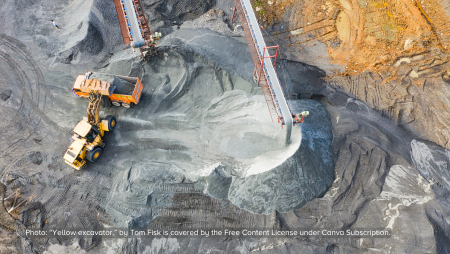
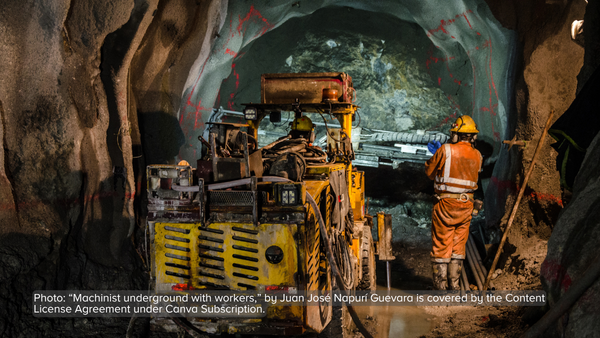
A March 2026 investigation by the Environmental Investigation Agency (EIA) documented allegations of severe environmental and health impacts surrounding cobalt mining and processing operations in the Democratic Republic of Congo. The report linked pollution and unsafe conditions to mineral extraction tied to electronics and battery supply chains, raising renewed scrutiny over mining oversight.
Toxic Transition examines how rapid expansion in cobalt production for global electric vehicle and electronics supply chains may be affecting workers and nearby communities.
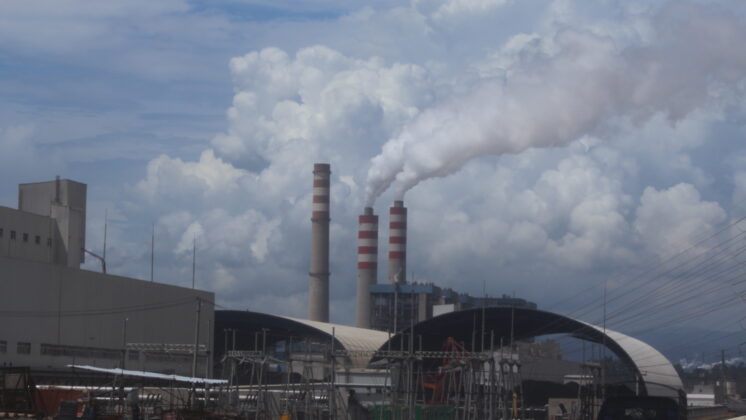
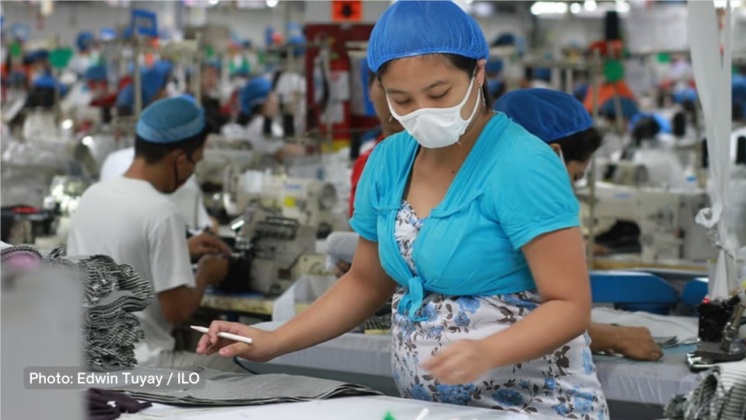
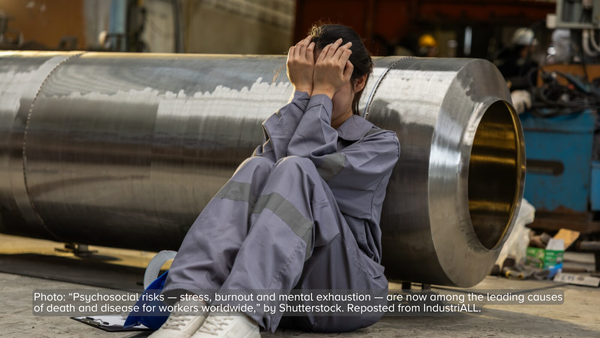
The Tenke Fungurume operation, majority owned by Chinese mining company CMOC Group, is one of the world’s largest sources of cobalt, a critical mineral used in batteries for electric vehicles, smartphones, and consumer electronics. According to the investigation, independent air monitoring conducted between 2024 and 2025 detected sulfur dioxide levels exceeding international standards near processing facilities. Residents and workers reported recurring respiratory illnesses, nosebleeds, chest pain, miscarriages, and other health problems allegedly linked to emissions from the site.
Several global automakers and battery manufacturers sourcing cobalt linked to the mine were identified in the report, including BMW, Mercedes-Benz Group, Volkswagen, and CATL. Advocacy groups argue that the findings expose the environmental and human rights costs embedded in the global transition toward electric vehicles and battery-powered technologies.
The DRC government has since announced an inspection of the mining site following publication of the report.
The original article first appeared in EIA.