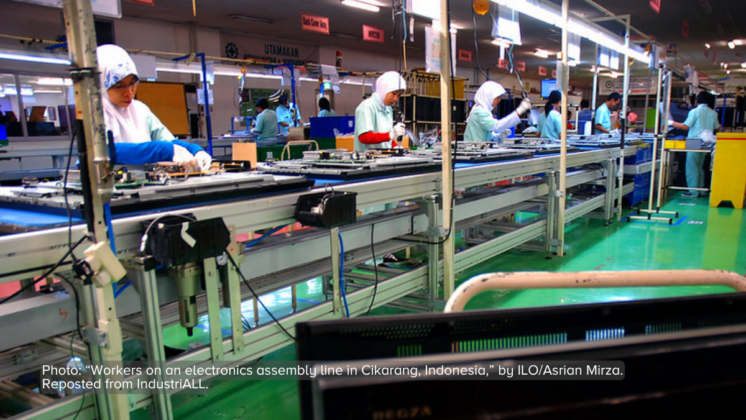
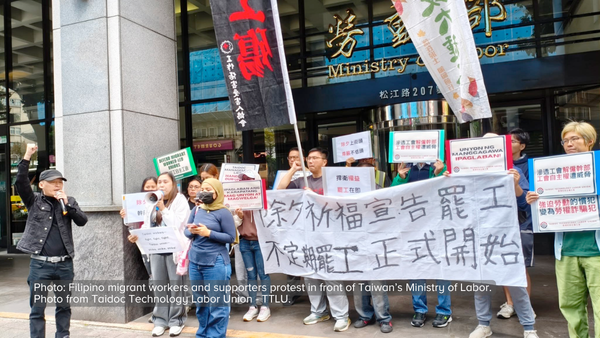
Filipino migrant workers at Taidoc Technology Corp., a Taiwanese medical device manufacturer that produces blood glucose monitors and COVID-19 test kits, are at the center of a labor rights dispute that raises uncomfortable questions about working conditions inside Taiwan’s electronics supply chain.
The Taidoc Technology Labor Union (TTLU), formed by Filipino migrant workers in 2025, filed complaints over what members describe as debt-trapping recruitment fees, surveillance-style dormitory controls, and pregnancy-related dismissals. Workers were required to photograph themselves each night to confirm they were inside company housing. Those who broke minor dormitory rules could be assigned unpaid cleaning duties on the factory floor for days.
The dispute escalated sharply in February 2026 when union chair Elizabeth Basas and six other officials were terminated. Union members say the firings were direct retaliation for protected organizing activity. Taiwan’s New Taipei City labor bureau fined the company NT$200,000 for violating laws governing labor disputes, and Taiwan’s Ministry of Labor has opened two separate investigations into alleged anti-union interference.
The dispute escalated sharply in February 2026 when union chair Elizabeth Basas and six other officials were terminated. Union members say the firings were direct retaliation for protected organizing activity. Taiwan’s New Taipei City labor bureau fined the company NT$200,000 for violating laws governing labor disputes, and Taiwan’s Ministry of Labor has opened two separate investigations into alleged anti-union interference.
According to Bulatlat, labor rights advocates say Taidoc already meets five of the International Labour Organization’s 11 indicators of forced labor: restriction of movement, poor living conditions, intimidation, debt pressure, and coercive fees.
The case has drawn attention beyond the factory gates. Taiwan People’s Party lawmakers called Taidoc a “labor rights hell,” while the Green Party urged authorities to freeze the company’s migrant-worker hiring permits. When Philippine government representatives in Taipei appeared to side with management rather than the workers, further protests erupted outside the Manila Economic and Cultural Office.
With Taiwan’s economy increasingly dependent on migrant labor — and growing US trade scrutiny over forced labor in its manufacturing sector — the Taidoc dispute may serve as a test of whether migrant workers in Taiwan’s supply chains can organize and speak out without losing their jobs, their housing, or their right to stay.
Migrant workers and labor advocates protested outside the Manila Economic and Cultural Office (MECO) in Taipei in March, accusing the Philippine government’s representative office of siding with Taidoc management instead of defending Filipino workers. The labor bureaus in New Taipei City reportedly fined the company for violating an act regulating labor disputes, while Taiwan’s Ministry of Labor is investigating two complaints alleging anti-union retaliation. Union leaders say that MECO officials met with company representatives but never contacted the union before issuing a letter that labor groups say echoes company talking points.
The original article first appeared on Bulatlat, and was written by Girard Mariano Lopez.