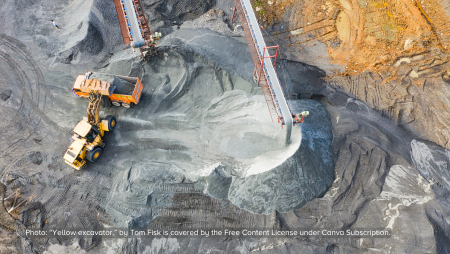
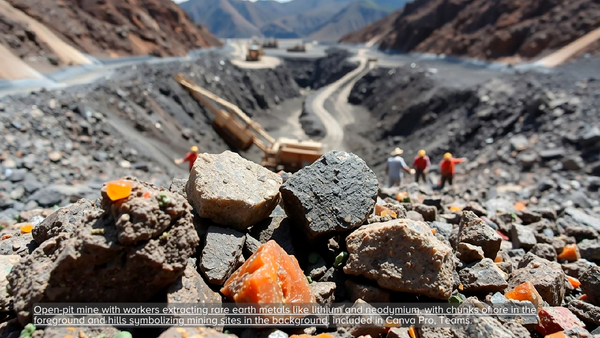
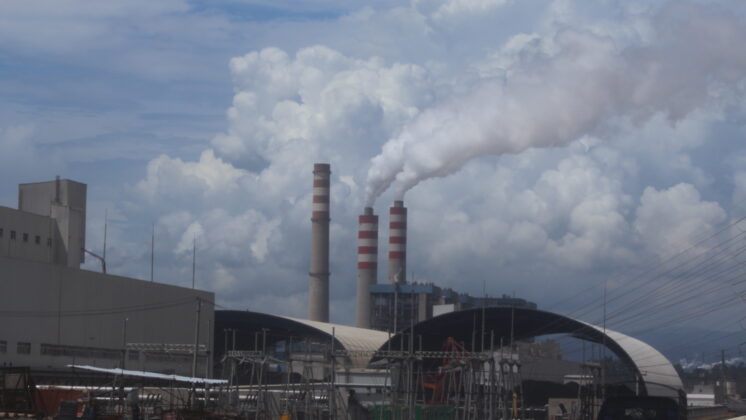
Mining for metals causes a lot of damage to the environment. Indonesia is a major tin producer. Tin is used for tin cans and electronics. It is produced by digging big holes in forest areas, and by dredging the sea bottom. International regulations for mining are non-existent. Friends of the Earth wants companies to be held responsible for the environmental impact of the metals they purchase. See below for a short documentary.
related content
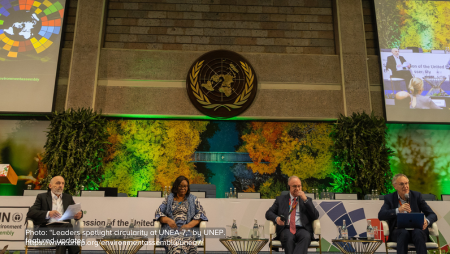
Efforts to Establish a Global Minerals Agreement Face Opposition at UN Talks
Efforts to establish a global minerals agreement at the United Nations Environment Assembly (UNEA) met opposition, though talks will continue. The proposal aims to establish a panel of experts that will identify ways to prevent…
UNEA Talks Call Attention on Human Rights Abuses Linked to Mining
As states meet for the United Nations Environment Assembly, Colombia and several other countries have proposed a binding global treaty to address environmental and human rights risks in mineral extraction, including measures for due diligence…
U.S. Group Takes Apple to Court Over Alleged Use of Congo Conflict Minerals
An advocacy group in the U.S. is suing Apple, saying that the company profited from using conflict minerals from the Democratic Republic of Congo (DRC) and Rwanda. The case filed in Washington D.C., argues that…
China’s Tightening Grip on Rare Earths and the Struggle for Global Supply Control
China’s latest export restrictions on rare earths — with 17 metallic elements used as critical minerals in electronics, renewable energy, and defense industries — have sent shockwaves through global supply chains. As the world’s dominant…
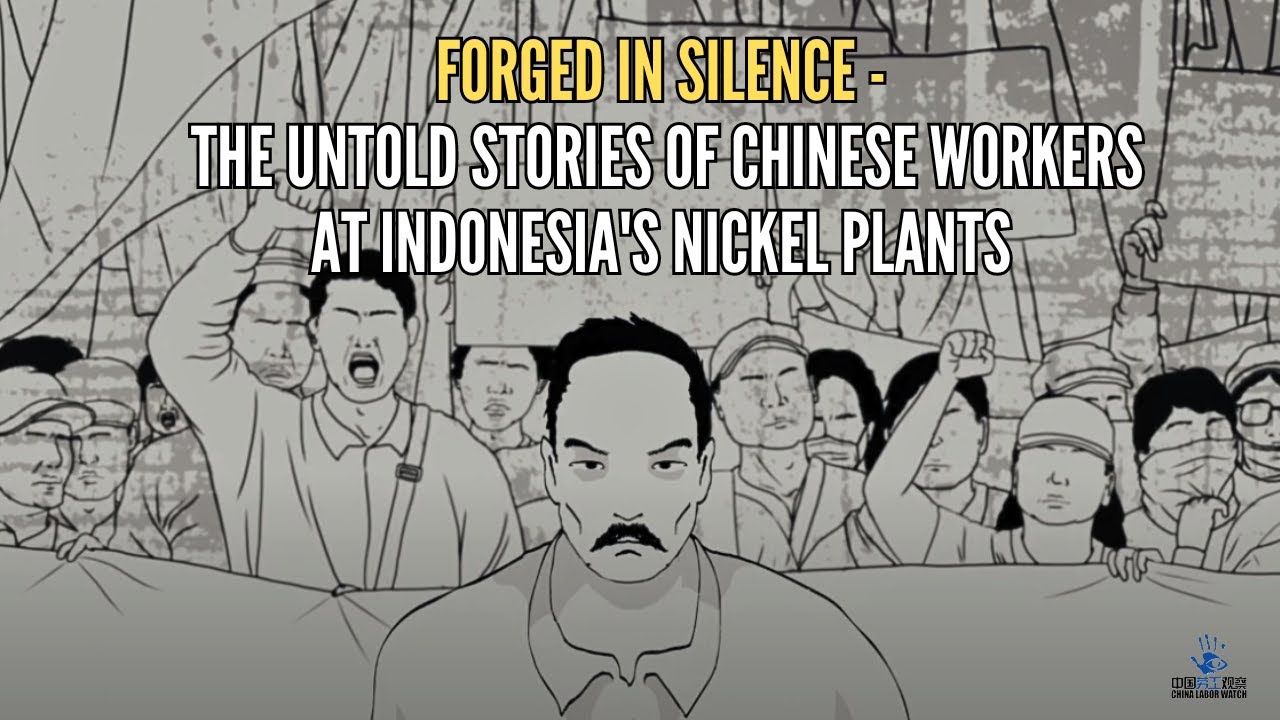
Indonesia: Huge Nickel Project Driving Climate, Rights, Environmental Harms
A multi-billion-dollar nickel industrial complex in North Maluku, Indonesia, and its associated nickel mining operations are violating the rights of local communities, causing deforestation, pollution, and emitting greenhouse gases, according to a report by Climate…
Blood on the Green Deal.
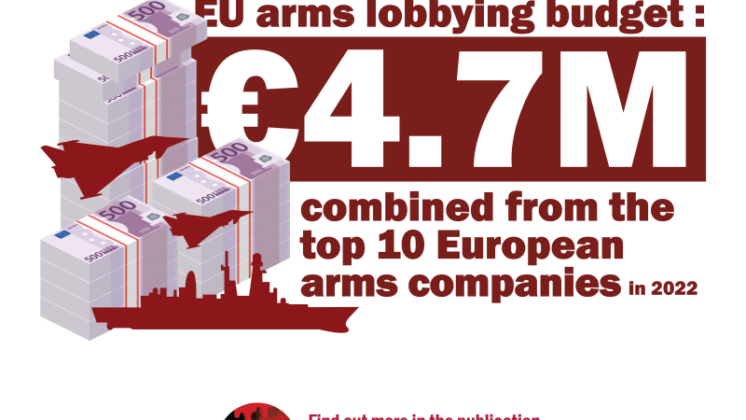
This report the Observatoire des Multinationales in Paris and Corporate Europe Observatory in Brussel criticizes the EU Critical Raw Materials Act (CRMA) for being influenced by industries unrelated to the energy transition, like defense and…
Good Practice Guidelines
The RE-SOURCING project’s ‘Good Practices Guidance’ works with stakeholders to identify best practices related to resource efficiency, responsible production and robust labour standards. Case studies highlight Fairphone’s Longevity Score, the focus on responsible workplace practices…
Rising EV sales and consumer electronics fuel battery chemicals market
The soaring record sales of electric vehicles (EVs) and consumer electronics have driven the growth of Battery Chemicals Market. Lithium, cobalt, nickel and other essential elements continue to be the driving force behind the exponential…
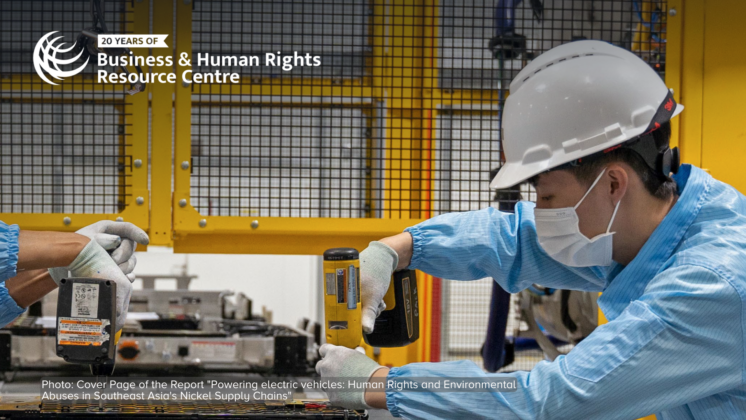
BHRRC reports on the human rights and environmental abuses in SEA’s nickel supply chains
The Business and Human Rights Resource Centre published a report entitled “Powering electric vehicles: Human Rights and Environmental Abuses in Southeast Asia’s Nickel Supply Chains” this month. The report sheds light on the significant risks…