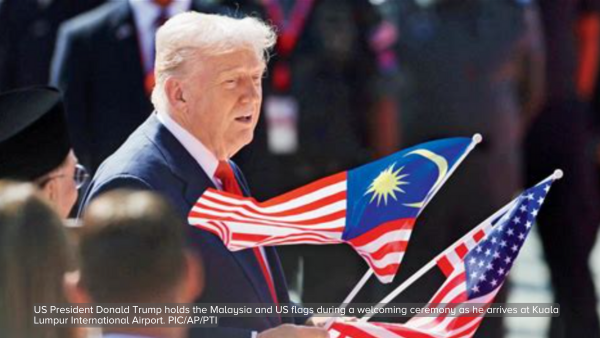
During the sidelines of the 47th ASEAN Summit, U.S. President Donald Trump and Malaysian Prime Minister Datuk Seri Anwar Ibrahim signed a new Agreement on Reciprocal Trade that extends Washington’s leverage over Malaysia’s economic policy, particularly in areas of tariffs, market access, and digital trade governance.
The White House’s statement emphasizes that the U.S. will maintain Malaysia’s 19% tariff rate, merely granting exemptions to 1,711 Malaysian products. In return, Malaysia has pledged extensive concessions by opening its market further to U.S. industrial and agricultural exports such as machinery, vehicles, metals, dairy, and even fuel ethanol. For critics, this represents a familiar pattern: developing nations offering broad access to foreign corporations while gaining limited relief in return.
Adding to these concerns is a newly signed Memorandum of Understanding (MoU) on Critical Minerals, inked at a time of escalating U.S.-China tensions. With Beijing curbing exports of rare earth minerals and introducing new retaliatory port fees on U.S.-linked vessels, Washington is clearly seeking alternative supply routes in Southeast Asia. Malaysia’s participation in this arrangement raises questions about whether the country is being drawn deeper into a geopolitical contest that primarily serves American strategic interests rather than its own.
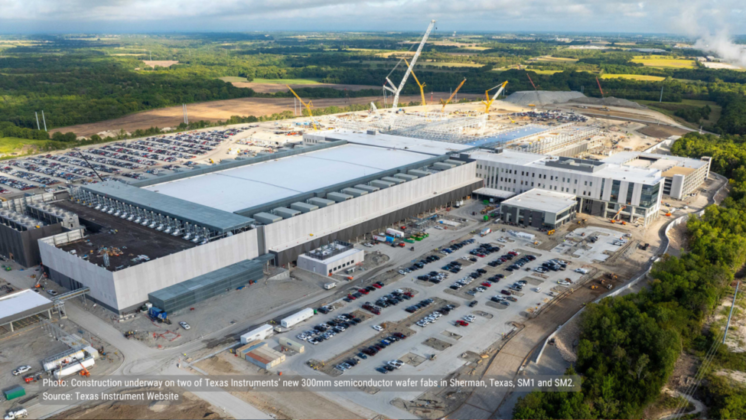
Under the agreement’s procurement terms, Malaysia is expected to purchase 30 U.S. aircraft, (with an option for 30 more) alongside U.S. made semiconductors, aerospace parts, and data center equipment worth US$150 billion (RM633 billion). The deal also commits Malaysia to buy US$3.4 billion (RM14.36 billion) worth of liquefied natural gas from the U.S. These large-scale purchases, though framed as economic cooperation, could lock Malaysia into long-term import dependence and widen its trade imbalance.
The accord extends beyond goods to include sweeping commitments in the digital sector. Malaysia has agreed to refrain from imposing digital services taxes on U.S. tech giants, to ensure unrestricted cross-border data transfers, and to support a permanent moratorium on Customs duties for digital products at the WTO. These clauses may further erode Malaysia’s policy space to regulate its own digital economy or generate revenue from multinational technology firms. Even cultural sovereignty is touched, with the government agreeing to lift broadcasting restrictions on U.S. programming.
While the agreement is being presented as a deepening of bilateral cooperation, its substance suggests otherwise. The deal reinforces U.S. economic dominance and pushes Malaysia into a more subordinate trading position, risking local industries, regulatory autonomy, and long-term economic independence.
References:
WhiteHouse.gov, Bloomberg, Malay Mail