A new wave of political unrest is spreading across continents, with Generation Z at its core. From Southeast Asia to South America, young people are taking their activism beyond hashtags and into the streets, fueling massive demonstrations that challenge entrenched systems of corruption, inequality, and authoritarian rule.
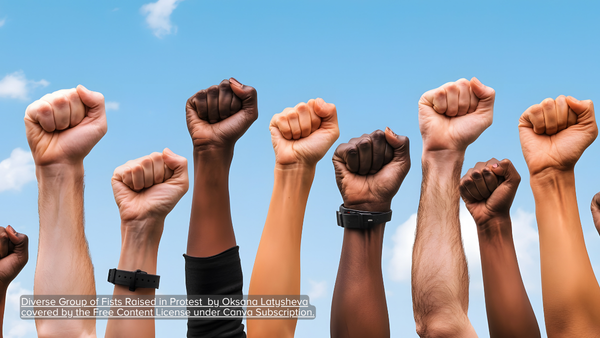
The so-called “Gen Z phenomenon,” once dismissed as online outrage, is now redefining global protest movements. This generation—tech-savvy, outspoken, and unafraid to confront power—has transformed social media into both an organizing tool and a battleground for ideas. “Social media is no longer just a site for entertainment and networking. It has increasingly become a political site,” explained Dr. D.B. Subedi, a lecturer in Peace and Conflict Studies at the University of Queensland.
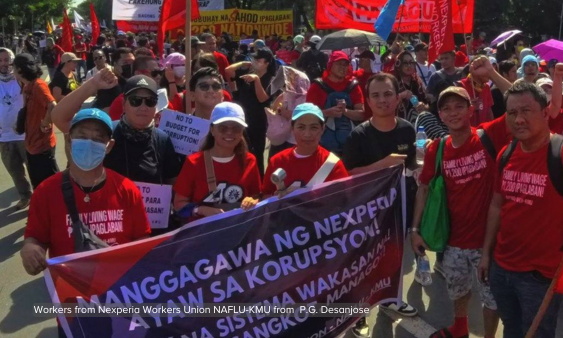
In Indonesia, workers and students united to decry lawmakers they accused of ignoring the economic hardships of ordinary citizens. What began as frustration over labor reforms quickly grew into nationwide protests, amplified by TikTok, Instagram, and encrypted chat groups where young organizers coordinated logistics in real time.
In Nepal, similar frustrations over corruption and political stagnation sparked rallies led by university students. These demonstrations, though locally focused, carried the same Gen Z stamp: savvy online mobilization, memes turned into protest symbols, and livestreams that kept the world watching.
The ripple effects have been global. In Bangladesh, students from Dhaka University helped spark a mass uprising that forced Prime Minister Sheikh Hasina to flee the country after decades in power. In Italy, youth-led strikes highlighted solidarity with Gaza. Still ongoing, young demonstrators from the Philippines, Morocco and Peru, are marching against inequality, state repression, and corruption.
These movements are part of a longer history of digitally powered uprisings. The Arab Spring in Egypt (2010), pro-democracy demonstrations in Hong Kong (2019), and women-led protests in Iran (2022) all showcased the potential of social media to challenge authoritarian systems. Today’s Gen Z activists, however, are blending practices of these protests with a uniquely global outlook and sharper online coordination.
While separated by geography and language, their grievances converge and protests inspire: anger at entrenched elites, frustration with economic precarity, and a demand for accountability and justice. Unlike previous generations, Gen Z has grown up in a hyperconnected world where solidarity transcends borders.
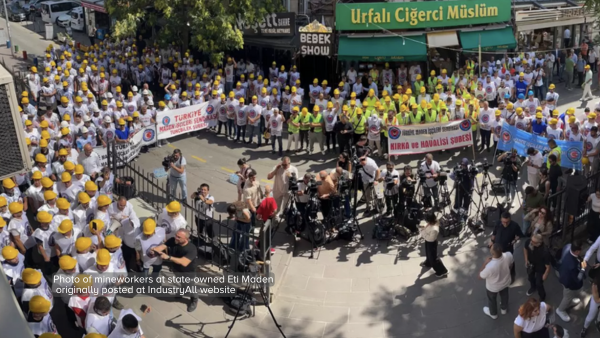
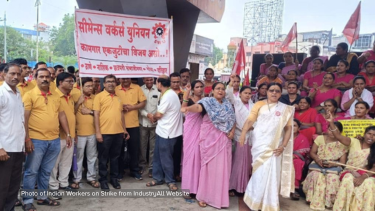
Across Asia, Europe, Africa, and Latin America, young protesters are marching shoulder-to-shoulder with workers, farmers, and marginalized communities. Their demands go beyond individual reforms; they are calling for structural change, equity, and a future not defined by corruption or nepotism.
As these movements grow, governments are watching with unease, often responding with repression. Yet the determination of this generation, armed with both digital fluency and grassroots courage, suggests that the protests unfolding today are not fleeting. They are the early chapters of a generational shift in global politics.
References:
Stratheia. (2024). Gen-Z: Analyzing Student Protests Around The World
Irish Times. (2025). How Gen Z Protests Are Spreading Revolution Across Asia