Artisanal miners in the Democratic Republic of Congo (DRC) have faced killings, torture, forced labor and arbitrary detention by Rwanda-backed M23 fighters, according to a September 2026 investigation by Amnesty International.
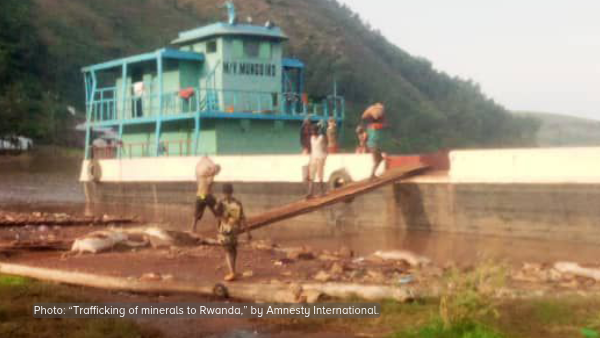
Amnesty International documented allegations of forced labor, torture, arbitrary detention and other abuses against artisanal miners at mines controlled by the Rwanda-backed M23 armed group in eastern Democratic Republic of Congo. The investigation also traced gold and coltan trafficking into Rwanda; coltan is processed into tantalum, a mineral used in electronics, telecommunications and high-performance computing equipment.
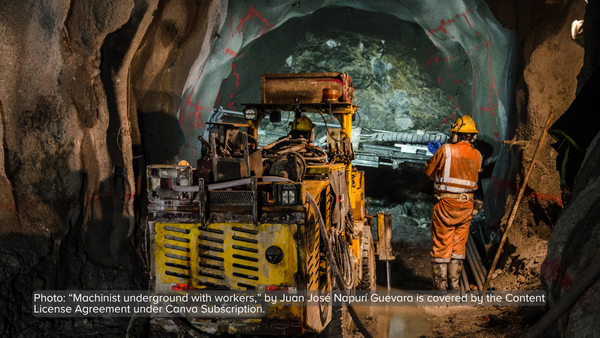
The documented abuses included the Rubaya coltan mines in North Kivu and the Lomera gold mining site in South Kivu, where miners were reportedly forced to work underground for more than a week at a time.
Amnesty International interviewed 26 people and documented the deaths of 18 artisanal miners. Witnesses reported that some workers were beaten to death, shot or abducted, while others were detained and subjected to physical abuse. The investigation also traced the trafficking of gold and coltan from M23-controlled mining areas into neighboring Rwanda.
The findings raise serious concerns about human rights and corporate accountability across global electronics supply chains. Coltan is a source of tantalum, a mineral used in electronic components, including capacitors found in mobile phones and computers.
Amnesty International is urging governments and companies to stop purchasing gold and coltan from Rwanda until there is evidence that minerals trafficked from the DRC are no longer entering its supply chains. The organization also calls for stronger human rights due diligence throughout mineral sourcing and processing.
The African Union and its Member States must take far bolder steps than they have done thus far to put an end to the likely pillage driven by an endless international appetite for African critical minerals. Failure to stand united against such pillage and the horrific abuses that comes in its wake will only encourage others to follow suit.
Agnès Callamard, Amnesty International’s Secretary General
The full article is first published by Amnesty International. Read the original article here.